
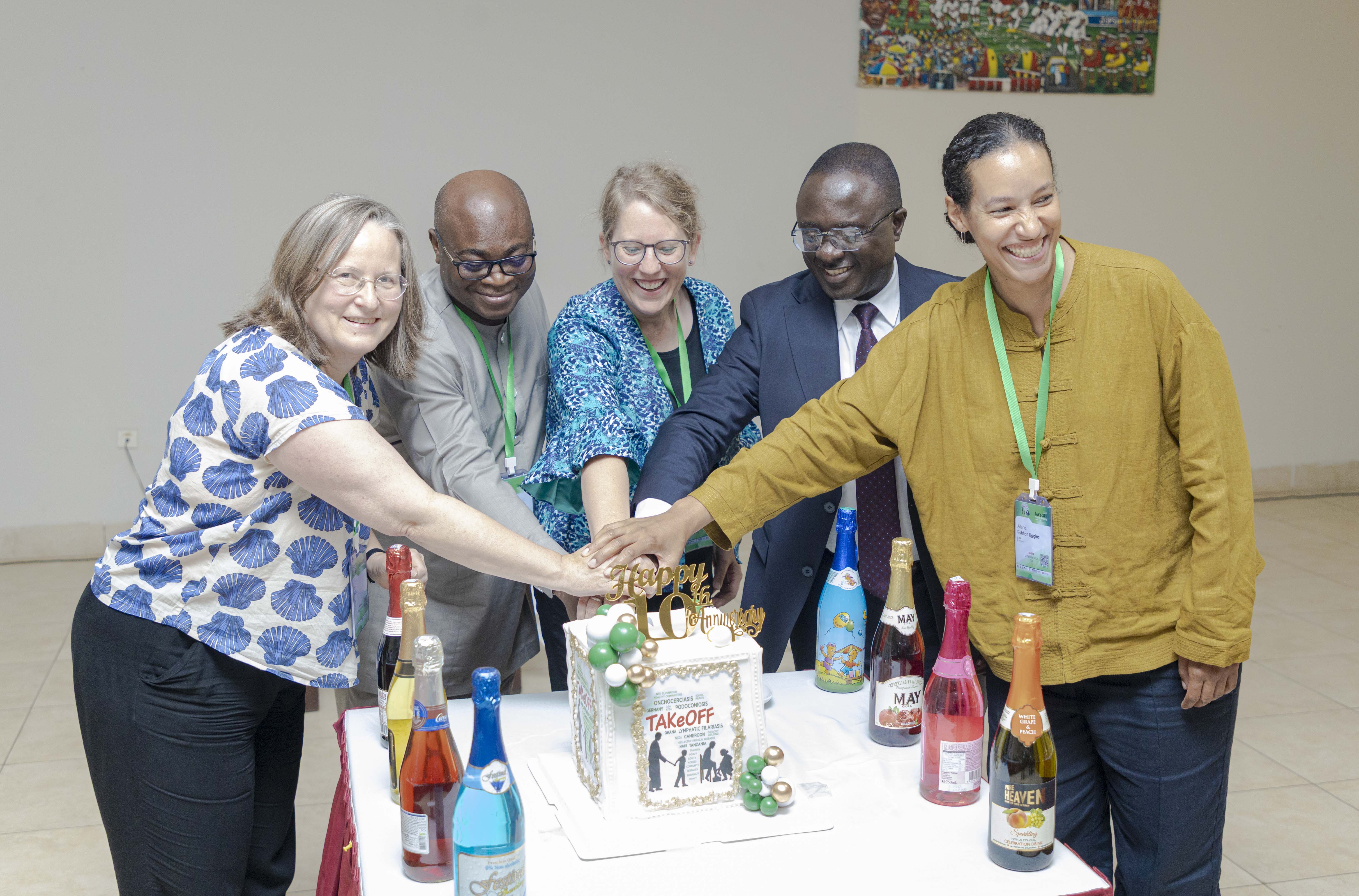
The Tackling the Obstacles to Fight Filarial Infections and Podoconiosis (TAKeOFF) Consortium has marked 10 years of collaborative research, capacity building and health interventions, with stakeholders calling for stronger partnerships to sustain gains in the fight against neglected tropical diseases (NTDs).
The milestone was commemorated at the Consortium’s 10th Annual Meeting at Coconut Grove in Cape Coast, bringing together researchers, academics, health professionals, policymakers, students and international partners to review a decade of achievements and discuss its future direction.
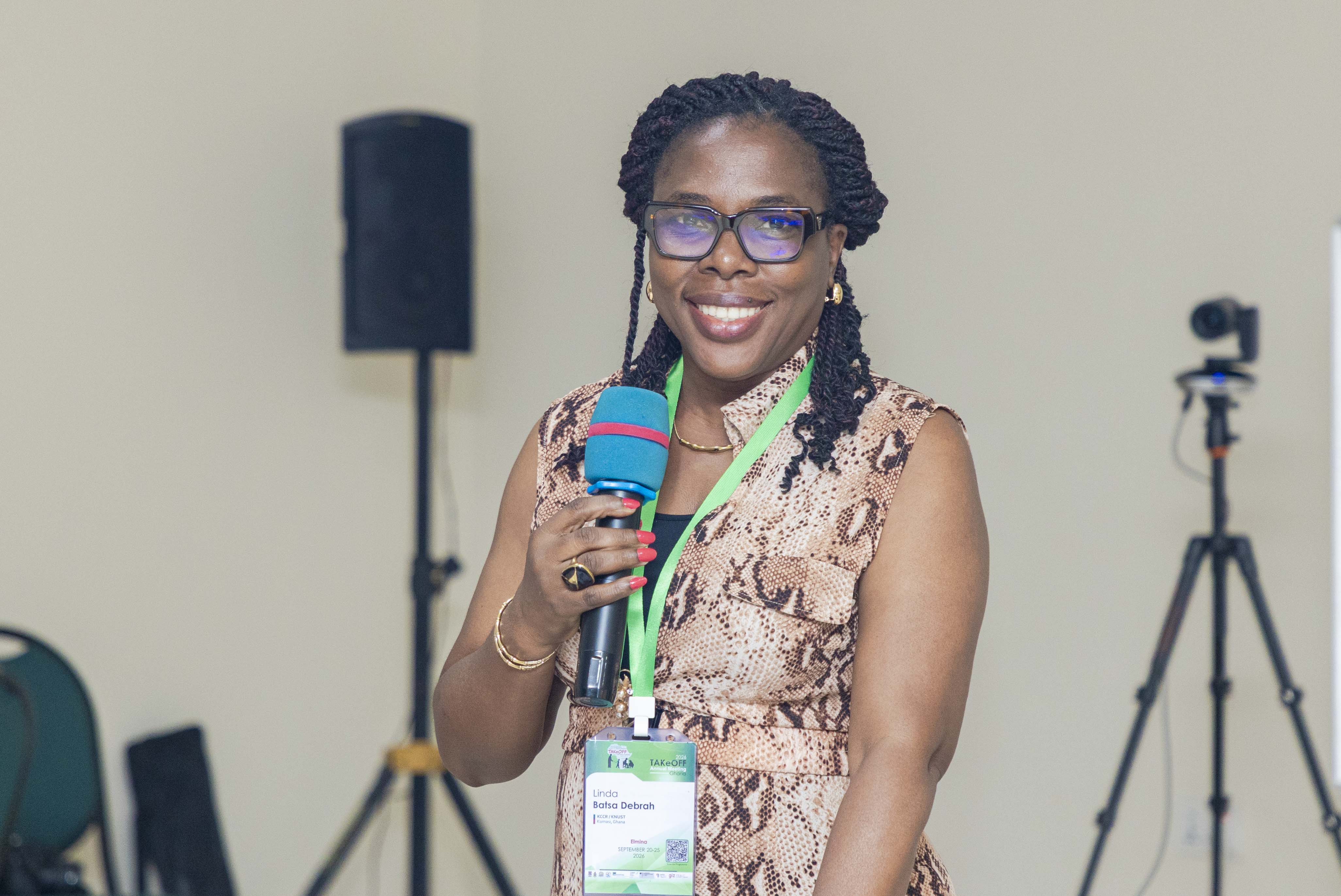
The Local Principal Investigator (PI), Professor Linda Batsa Debrah, described the 10-year milestone as a significant achievement built on years of research, collaboration, innovation and collective effort.
“Ten years represents much more than just a period of time. It represents years of research, collaboration, challenges, learning, innovation, capacity building and, most importantly, the collective efforts of many people and institutions working towards a common goal,” she said.
Professor Debrah said TAKeOFF was established to address obstacles to the control of filarial infections and podoconiosis, adding that its vision had evolved in response to emerging challenges, opportunities and lessons from the project.
She highlighted the Consortium’s work in clinical research, digital health, disease management, capacity building and policy engagement, noting that the initiative had brought together researchers and institutions from Ghana, Tanzania, Cameroon and Germany.
According to her, the Consortium had supported multicountry clinical trials, strengthened clinical research capacity and created opportunities for postgraduate training and research exchanges.
She also pointed to the use of digital tools to improve disease surveillance and patient identification, saying mobile phone-based approaches had expanded the reach and efficiency of NTD research.
Professor Debrah said the meeting provided an opportunity to assess the impact of the Consortium’s work and consider how the knowledge, capacity, partnerships and systems developed could be sustained beyond the project period.
“Ten years is an important milestone, but it is not the end of the journey. It is an opportunity to take stock, consolidate what we have built and prepare for the future,” she said.
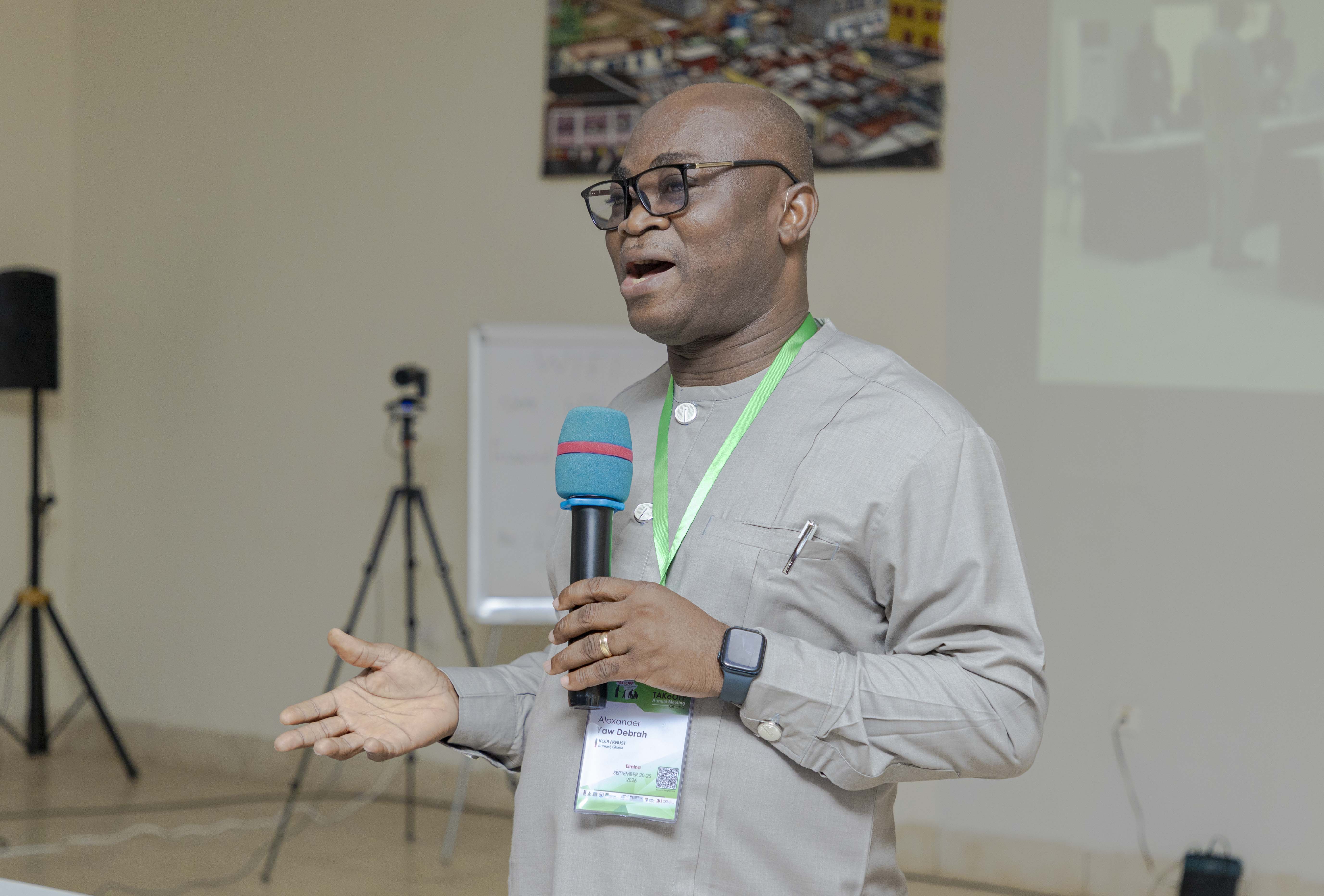
Giving an overview of the Consortium’s research activities, the Director of the Kumasi Centre for Collaborative Research into Tropical Medicine (KCCR), Professor Alexander Yaw Debrah, said TAKeOFF had established a strong platform for collaborative research, clinical trials and capacity building over the past decade.
He said the Consortium’s work had progressed from establishing clinical research platforms to conducting multicountry trials, strengthening disease management and translating research evidence into health policy and practice.
Professor Debrah said the Consortium had brought together scientists from Ghana, Tanzania, Cameroon and Germany to address barriers to lymphatic filariasis control and improve the quality of life of affected people.
He highlighted TAKeOFF’s contribution to clinical research, including developing capacity to design and conduct high-quality clinical trials, as well as its investment in postgraduate training and research exchanges.
Professor Debrah also highlighted the establishment of elephantiasis management clinics in northern Ghana, which provide care to patients with the condition.
He said the Consortium was also using a “test and treat” approach in some lymphatic filariasis-endemic communities to identify and treat infected people and help prevent transmission to districts that had already been declared free of the infection.
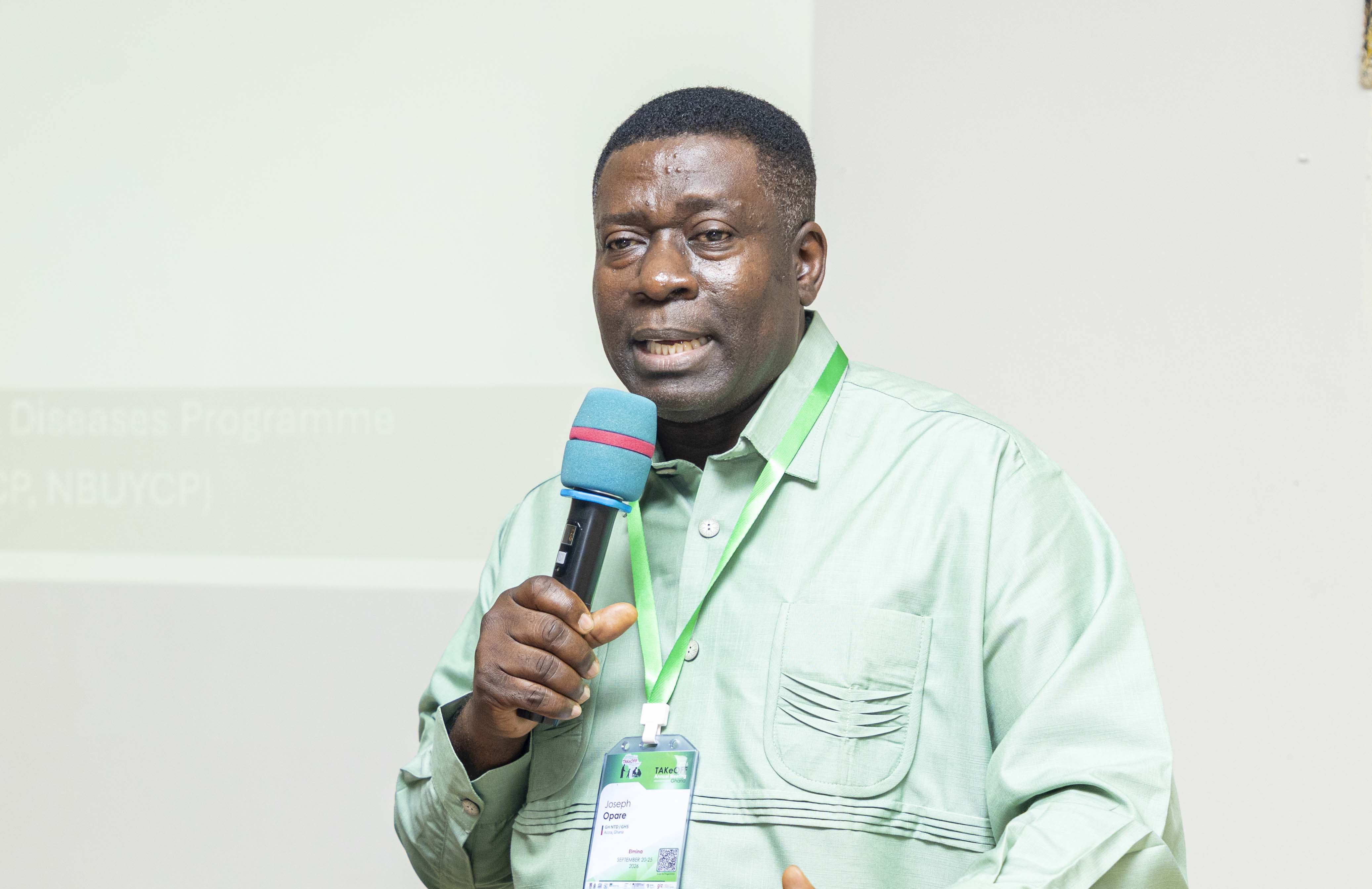
Dr Joseph Larbi Opare, Director of the Neglected Tropical Diseases Programme at the Ghana Health Service, commended the TAKeOFF Consortium for its contribution to Ghana’s NTD control and elimination efforts, particularly in case detection, test-and-treat activities and morbidity management.
Dr Opare said that although progress had been made in interrupting the transmission of lymphatic filariasis, challenges remained in managing complications experienced by affected people, including lymphoedema and hydrocele.
“The cases are there,” he said, calling for continued support for surgeries and other interventions to improve the lives of affected people.
He also stressed the need to address the stigma associated with NTDs and encouraged affected people to seek treatment and care.
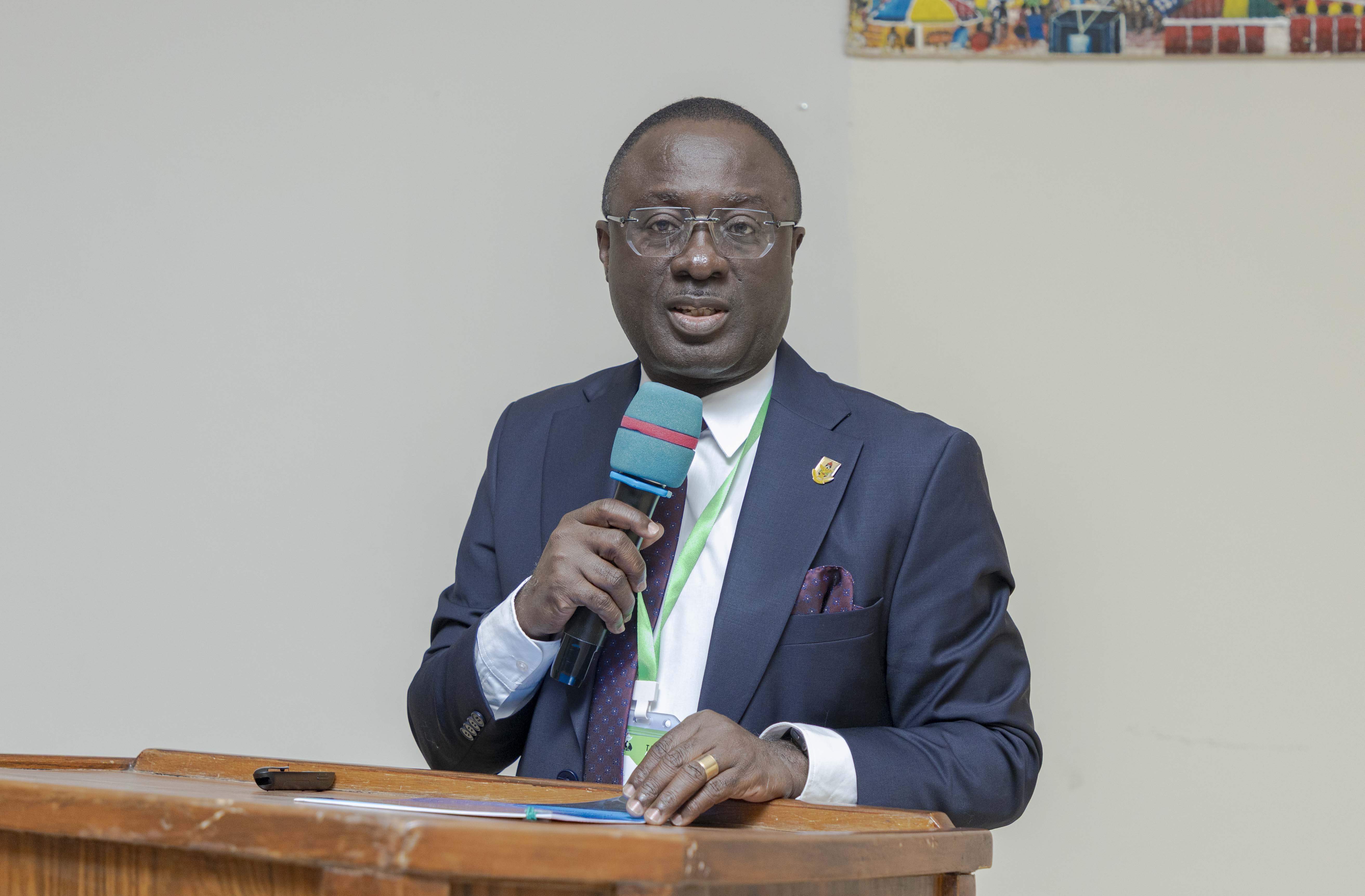
The Pro-Vice-Chancellor of KNUST, Professor David Asamoah, said TAKeOFF demonstrated the power of partnerships in addressing complex health challenges.
“TAKeOFF represents much more than a research consortium. It demonstrates what can be achieved when institutions, disciplines and countries come together around a common purpose,” he said.
Professor Asamoah said the Consortium’s work reflected KNUST’s strategic emphasis on practical research, innovation and partnerships that contribute to societal transformation.
“The true measure of research is therefore not only what will be published but also what changes because of the knowledge it generates,” he added.
He commended TAKeOFF for strengthening African clinical research capacity and developing institutional systems capable of supporting high-quality research beyond individual projects.
Representing the German Federal Ministry of Research, Technology and Space (BMFTR), Ms Arlena Siobhan Lighins congratulated the Consortium on its 10-year milestone and commended the trust and shared commitment that had characterised the partnership.
She said continued exchanges among partners would be important in assessing progress, identifying priorities and shaping the next phase of the collaboration.
Ms Karen Gosch of GIZ acknowledged challenges encountered during the project’s implementation, including funding disruptions and delays, but commended the Consortium for maintaining strong communication and collaboration.
“I appreciate your trustful and great communication, partnership and collaboration, and I congratulate you on your research excellence,” she said.
Another GIZ representative, Ms Isabel Martha Doser, expressed appreciation to the Consortium’s leadership, scientific team, faculty and staff for their contributions to the initiative.
Story: Eunice Asare Photos: Emmanuel Offei


